
Selling Your Home to Fund Senior Living
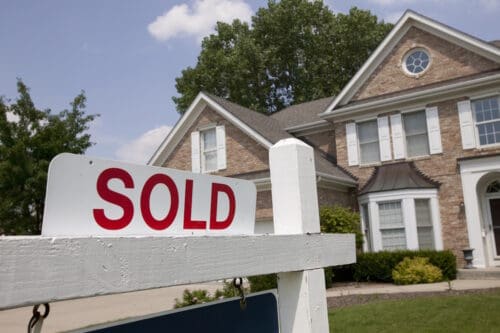
For many seniors, their home is one of their largest financial assets. As you consider moving to a senior living community, you may wonder how to pay for the costs of your new lifestyle. Selling your home can be one way to turn that equity into funds that can be used toward senior living expenses.
For some older adults, selling a home also makes sense for reasons that go beyond finances. A move to senior living can eliminate the responsibilities of maintaining a large house while providing a more convenient, social, and maintenance-free lifestyle.
Why Seniors Sell Their Homes When Moving to Senior Living
A home that once fit your lifestyle may eventually become more space and responsibility than you need. Maintaining a house, caring for a yard, paying property taxes and insurance, and keeping up with repairs can take considerable time and money.
Selling your home when you move to senior living can simplify your finances and your daily life at the same time. Instead of having a significant amount of money tied up in your home, you can use some of that equity to help fund your retirement and enjoy a home that requires less maintenance.
For many seniors, downsizing also means no longer paying for rooms, storage, or outdoor space they rarely use.
How Home Equity Can Help Pay for Senior Living
If you’ve owned your home for many years, you may have substantial equity that can help offset the cost of senior living. The proceeds from a home sale can potentially be used toward an entrance fee, monthly senior living expenses, moving costs, or other retirement expenses, depending on your financial situation and the type of community you choose.
Before selling your home, consider how much you’ll actually have available after paying off any remaining mortgage, real estate commissions, closing costs, repairs, and other expenses associated with the sale.
A financial advisor can help you determine how the proceeds from your home sale fit into your overall retirement plan.
Selling Your Home Before or After Moving to Senior Living
There isn’t one right answer for when to sell your home. Some seniors prefer to sell first so they know exactly how much money they have available before committing to a new residence. Others want to move first and take their time preparing and selling their home.
Selling your home before moving can provide greater financial certainty, while selling afterward may make the transition less stressful because you don’t have to coordinate your move and home sale at exactly the same time.
Your decision may depend on the local real estate market, your financial situation, the availability of your preferred senior living residence, and how much time you have to prepare. Working with a Senior Real Estate Specialist who understands your situation and the local real estate market can help simplify this process.
Preparing Your Home for Sale
Selling a longtime family home can be an emotional process, especially when you’ve lived there for decades. It can also take considerable preparation.
Start by deciding what you want to take with you to your new home. A studio, one-bedroom, or two-bedroom senior living apartment may require considerably less furniture and fewer belongings than a traditional house. If you are having trouble deciding what to keep, you should consider hiring a Senior Move Manager who can help you make those difficult decisions when selling your home.
Once you’ve decided what you’re keeping, consider donating, selling, or giving away items that won’t be moving with you. Decluttering early can make the eventual move easier and may also help your home appeal to potential buyers.
Depending on the condition of your home, you may also want to make repairs or improvements before putting it on the market. A real estate professional can help you determine which improvements are likely to provide value and which may not be worth the expense.
Consider the Tax Implications of Selling Your Home
Taxes are another important consideration when selling a home to help pay for senior living. Under current federal rules, eligible homeowners may be able to exclude up to $250,000 of gain from the sale of a primary residence, or up to $500,000 for married couples filing jointly who meet the applicable requirements. Generally, the ownership and use tests require that you owned and lived in the home as your main residence for at least two of the five years before the sale.
Your circumstances may be different if you’ve rented out part of the property, used the home for business, recently moved into a care facility, or haven’t met the standard ownership and use requirements. Because the tax consequences of selling your home can be significant, it’s important to consult a qualified tax professional or financial advisor before making decisions based on potential tax benefits.
Don’t Wait Until a Move Becomes Urgent
If you’re considering senior living, selling your home can take time. Preparing the property, deciding what to keep, finding a buyer, and completing the transaction may take months.
Starting the process while you’re still healthy and independent gives you more control over the timing. You can explore senior living communities, compare residences and costs, and determine how your home equity fits into your plans without feeling pressured to make decisions quickly.
Planning ahead also gives you an opportunity to move because you’re ready for a new lifestyle, rather than waiting until home maintenance or changing health needs make the decision for you.
Explore Your Options at Westminster Towers
At Westminster Towers in Rock Hill, SC, many residents choose to sell their homes when they make the transition to senior living. As a continuing care retirement community, Westminster Towers offers Independent Living along with Assisted Living, Rehabilitation, and Skilled Nursing services, allowing residents to plan for both their current lifestyle and future needs.
Selling your home can be an important part of preparing financially for a move, but it’s only one piece of the decision. We invite you to explore our residences, review our pricing options, and learn more about what life is like at Westminster Towers. With the right planning, moving from a larger home to a senior living community can turn home equity and years of accumulated belongings into greater convenience, more opportunities, and a retirement lifestyle designed around the things you enjoy most.
Contact us today to learn more about senior living in a continuing care retirement community.